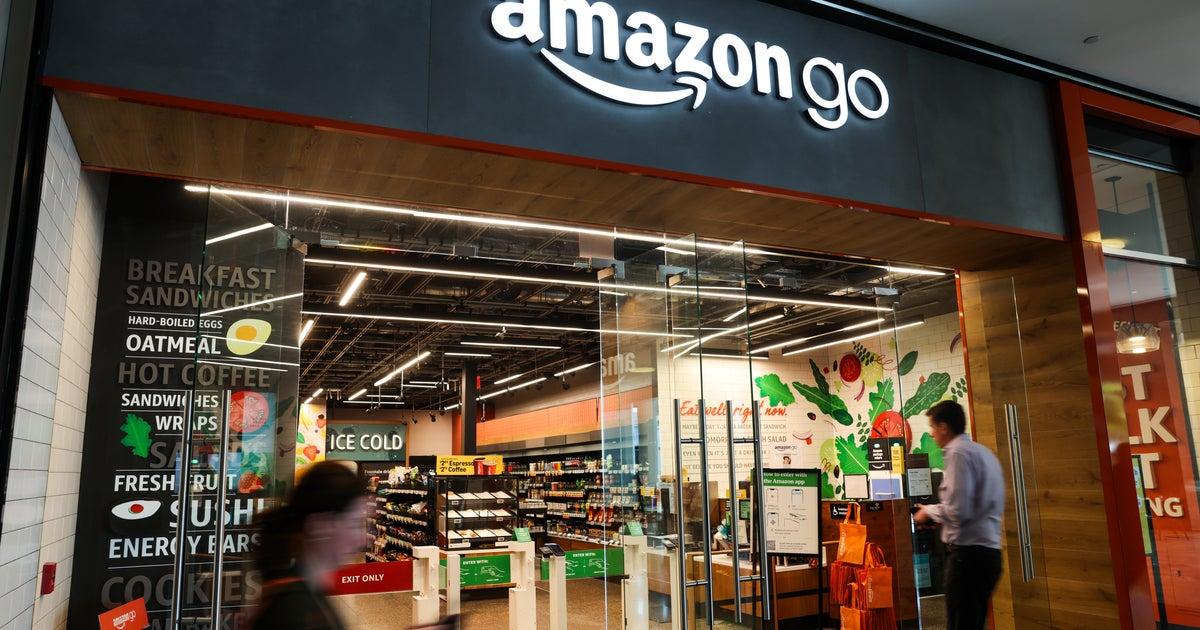
Amazon announced on Tuesday that it will close its Amazon Fresh grocery stores and cashierless Go convenience stores, marking a major shift away from its experiment in physical retail. The company said some locations will be converted into Whole Foods Market stores, while Amazon Fresh will continue as an online brand.
Amazon explained that although its physical stores have shown promising signs, they have not yet achieved a distinctive customer experience combined with the right economic model for large-scale expansion. The decision reflects a strategic re-evaluation of Amazon’s approach to brick-and-mortar retail.
Launched over two decades ago, Amazon’s grocery business generates more than $150 billion in annual gross sales. The company further expanded into physical retail by acquiring Whole Foods in 2017 for $13.7 billion. With this acquisition, Amazon aimed to strengthen its presence in the grocery sector and merge online and offline shopping experiences.
Amazon Go stores use advanced technology to let registered customers pick items from shelves and leave the store without checking out. The system automatically tracks purchases through sensors and cameras. While Amazon is closing its own Go stores, the technology has already been deployed at hundreds of third-party locations across five countries. Shoppers at these sites can “simply take what they need and go,” providing a seamless checkout-free experience.
The closures signal that Amazon is consolidating its physical store strategy and focusing on integrating its technology and grocery offerings with established brands like Whole Foods. Analysts say this move allows Amazon to concentrate resources on areas that provide stronger profitability and scalability, while continuing to innovate in cashierless and automated retail through partnerships.
For customers, Amazon Fresh will remain accessible online, ensuring that shoppers can still order groceries digitally. Meanwhile, the cashierless technology pioneered by Amazon Go is likely to continue shaping the broader retail landscape, even if the company reduces the number of its own branded stores.
This decision underscores Amazon’s ongoing experimentation with retail models and its willingness to pivot when certain strategies do not meet long-term growth objectives. The company will now leverage its existing strengths to maintain a presence in physical grocery retail without overextending its own branded locations
Business
Moody’s Upgrades Kenya’s Credit Rating to B3 as Debt Risk Falls
Moody’s has upgraded Kenya’s sovereign credit rating to B3 from Caa1, a move that reflects a reduction in the country’s near‑term risk of defaulting on its debts but does not mean Kenya’s financial challenges are fully resolved.

CBN Approves Two-Month Grace for Expired NAFDAC Licences
The Central Bank of Nigeria (CBN) has allowed banks to process imports using NAFDAC licences that expired on December 31, 2025, for a temporary period of two months.